Photographs show buyers what a home looks like. Words reveal what it's like to live there. A recent conversation with a homeowner reminded me that every word carries weight and why asking the right questions is still one of the most valuable parts of my job.
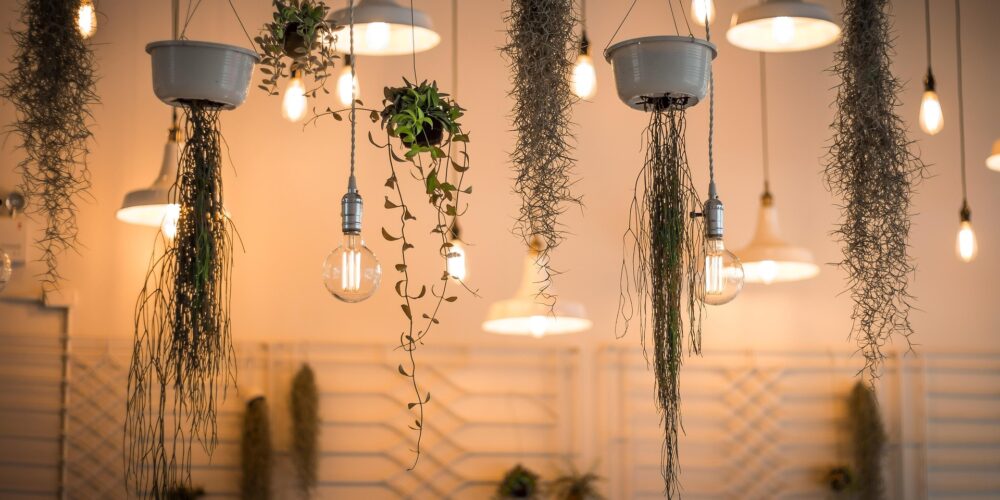
Who Needs a Photographer?
“Many, many thanks, you have given wonderful images with your words…who needs a photographer?”
One thing I do really cherish about the work I do is the contact I have with the people at the heart of the process. And, perhaps surprisingly, this isn’t necessarily the buyers, but the sellers. I generally always receive some positive feedback from homeowners, even if only to thank me for the back-and-forthing over amends at all hours (which I always assure them at the start of the process I’m more than happy to do; I’m not precious about my drafts – I’m merely the instrument for their story, and the notes have to be right for the tune to carry).
But this compliment made me pause and reflect. I was genuinely touched, because, if you’ll pardon the pun – it wasn’t just words.
The delightful homeowner who had sent them, I’d recently spent 30 minutes talking to over the phone, and I’d learned, during the course of the conversation, that she had spent more than 30 years working in marketing. It took about three minutes for me to realise that this was someone for whom every word mattered.
Earlier, I’d been sent a video of the property and commented on the lighting in the outdoor kitchen (“not ‘bar’ Sarah – it has a pizza oven, wine fridges and a sink”).
“It has quite an industrial look…”
There was a sharp intake of breath.
“No, dear,” she replied gently. “It’s sculptural.”
To be fair to me, I’d only seen the fitting from one angle. When she later sent a close-up photograph, I understood immediately. It wasn’t industrial in the slightest. It was a bespoke piece of forged blacksmith’s ironwork, full of elegant twists and handcrafted leaf detailing.
She was absolutely right. My one word, had I used it, would have completely changed the picture.
As our conversation continued, it became obvious that precision wasn’t simply important to her; it was instinctive. Every detail of the house had been considered.
There’s a definite order of appeal, when people search online for a home: photographs, opening description, floorplan, description.
Which is another reason why her feedback made me pause and smile. Not because I believe words can replace photography; they can’t. It’s like replacing bricks with mortar; the house needs both to function as a home. Beautiful photography is essential. Buyers will always look at the photographs first. Then, usually, the floorplan. Only then, more often than not, do they arrive at the words.
By that stage, however, another process has already taken place. The photographs have sparked curiosity, the floorplan has answered practical questions, and now the buyer wants to know what it might actually be like to live there. This is where I like to think the writing steps into its own limeline in the process; the writing reveals what the photography can’t – sort of like an X-Ray, a behind the scenes, a look at a home’s past, present and future potential.
Later in the call, when I described the interiors as Regency-inspired, there was another pause, but this time I could hear the smile as she spoke. “That was exactly my aim. I have it redecorated by the same man every January. It’s what I always look for in a home: light, airy and graceful. The one we’ve offered on is just the same…only with a bedroom on the ground floor.”
Yes! I’d hit upon another golden nugget, one that you’d never discover from a photograph, nor from a floorplan, yet suddenly I knew something else about the home. It wasn’t simply beautifully presented; it had been consistently cared for, maintained and refreshed year after year. Another value-adding detail that, as a buyer, I’d be keen to know. I also learned that the office above the garage had a planning condition – although it was furnished with desks in that manner, it could only be described as a ‘workspace’.
Finally, as we wrapped up, she offered one last plea: “Please don’t describe the living room as ‘the big room’.”
Apparently it had been described as such on the estate agent’s livestream, and I could hear the shudder in her voice. She was no snob, ‘big room’ simply didn’t convey the elegance of the sitting room, which, she explained, had been designed as a breakaway space for evenings and entertaining, while ‘big room’ conveyed a rumpus room for children and pets to converge. The open plan family dining kitchen and separate playroom offered space for that sort of imagery.
Perhaps the words don’t consciously mean as much to everyone, but to those who make them their livelihood, they understand the subliminal meaning they convey and each word choice carries its own atmosphere and assumptions. Eight out of ten buyers may never consciously notice those distinctions; yes they’ll browse the photographs, skim the floorplan and perhaps only glance at the description. But for the buyers who have already decided this might be the one, the words suddenly become incredibly important and the right vocabulary confirms what they’re already beginning to feel. While, for others, the wrong adjective can really jar and lay seeds of doubt.
As well as being a prattler by nature (I do love a good chin wag), this is why I love interviewing homeowners. Every conversation uncovers something no fill-in-the-blanks questionnaire or room-by-room checklist could reliably predict. Conversations are, by nature, unpredictable. Rambling flow-charts where each question and each answer leads to a new thread or sub topic. It’s why I still believe the interview is the most valuable part of what I do and not because I’m collecting facts, but rather because I’m listening for the answers and hidden meanings that matter.
If, by the end of it, a homeowner tells me I’ve painted pictures with words, I’ll happily leave the photographs to the photographer.